You open Instagram and the first Reel is about something you were just thinking about. You hop on YouTube and the recommended video is precisely the topic you researched yesterday.
It feels unsettling. It feels like these apps can read your mind.
They can’t read your mind — but they don’t need to. The algorithms powering Instagram and YouTube are sophisticated enough that the distinction barely matters.
I’m Rock, and at Pixel Defence we spend a lot of time pulling back the curtain on how these systems work. Let me show you exactly what’s happening. So to answer the why instagram and youtube show exactly what you think ? keep Reading……
How Instagram Shows Exactly What You Think You Want
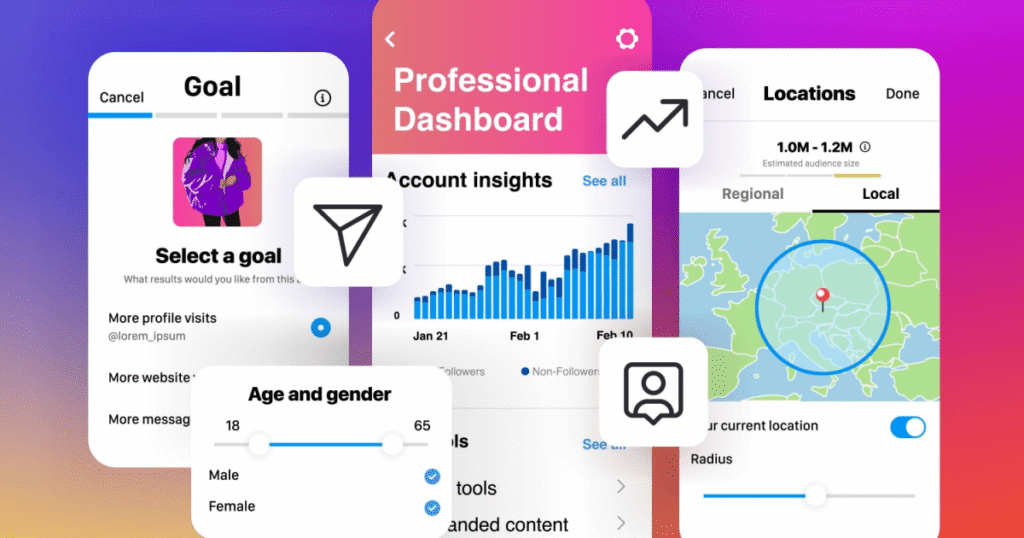
Instagram’s recommendation system doesn’t just guess what you like. It scores every single post against a set of predicted behaviours before deciding whether to show it to you.
Specifically, the algorithm estimates:
- The likelihood you’ll comment on a post
- The predicted time you’ll spend scrolling after viewing it
- The likelihood you’ll immediately continue scrolling (session stickiness)
- The probability you’ll engage for more than 10 seconds
Every post in the pool is ranked against these signals before a single piece of content appears on your screen.
Your Explore page and Reels feed are personalised using your past interactions, the types of content you’ve engaged with, and the topic clusters Instagram has assigned to you based on your behaviour.
In 2025, Instagram introduced more explicit “Your Algorithm” transparency features — but even these are just a window dressing on a system designed to maximise your time on the app, not your happiness.
How YouTube Shows Exactly What You Think About
YouTube’s algorithm is arguably the most powerful recommendation engine ever built — and it’s optimised for one thing above all else: keeping you watching.
The key signals it weighs include:
- Watch-time percentage — Did you watch 20% of a video or 95%?
- Session behaviour — What other videos did you watch in the same sitting?
- Engagement signals — Likes, comments, shares, repeat views
- Historical behaviour — Your viewing patterns over approximately the last 84 days
For YouTube Shorts, the primary signals shift slightly: completion rate and loop count (how many times you replayed a Short without swiping away) become the dominant ranking factors.
What this means is that even if you never liked a single video, YouTube builds a precise model of your interests from your watch patterns alone. You don’t need to interact — simply watching is enough data.
How Social Media Tracks Your Behavior in Real Time
These platforms don’t just check in on you occasionally. They are monitoring every micro-interaction in real time, every single session.
Here’s what’s being tracked continuously:
- Scrolling behaviour — How far you scroll, how fast, where you slow down or stop
- Interaction signals — Likes, shares, comments, saves, resharing, tapping “Not Interested”
- Session-level behaviour — How long you stay, what sequence you view content in, when you put the app down
Here’s the part that should concern you most: these same signals that power content recommendations also feed into ad-targeting systems. Your behavioural profile on Instagram doesn’t just determine what Reels you see.
It directly informs what ads Meta serves you — both on-platform and through the Meta Audience Network across thousands of third-party apps.
The content engine and the ad engine run on the same data.
Why Algorithms Feel Like They Can Read Your Mind
The reason this feels psychic is because of how statistical prediction at scale works.
You are not unique. Your behavioural patterns — your scroll habits, your content preferences, your session rhythms — closely resemble those of thousands of other users who’ve come before you.
The algorithm matches your current behaviour to historical patterns from similar users and uses that to predict what you’ll engage with next.
It’s not reading your thoughts. It’s recognising that people who watched what you watched, at the time you watched it, in the sequence you watched it, almost always watch a specific type of content next. The prediction just looks like mind-reading because it’s accurate so often.
Watch-time and session length are more predictive than explicit likes. This is a critical insight. The things you passively consume tell the algorithm more about you than the things you consciously endorse by tapping a heart.
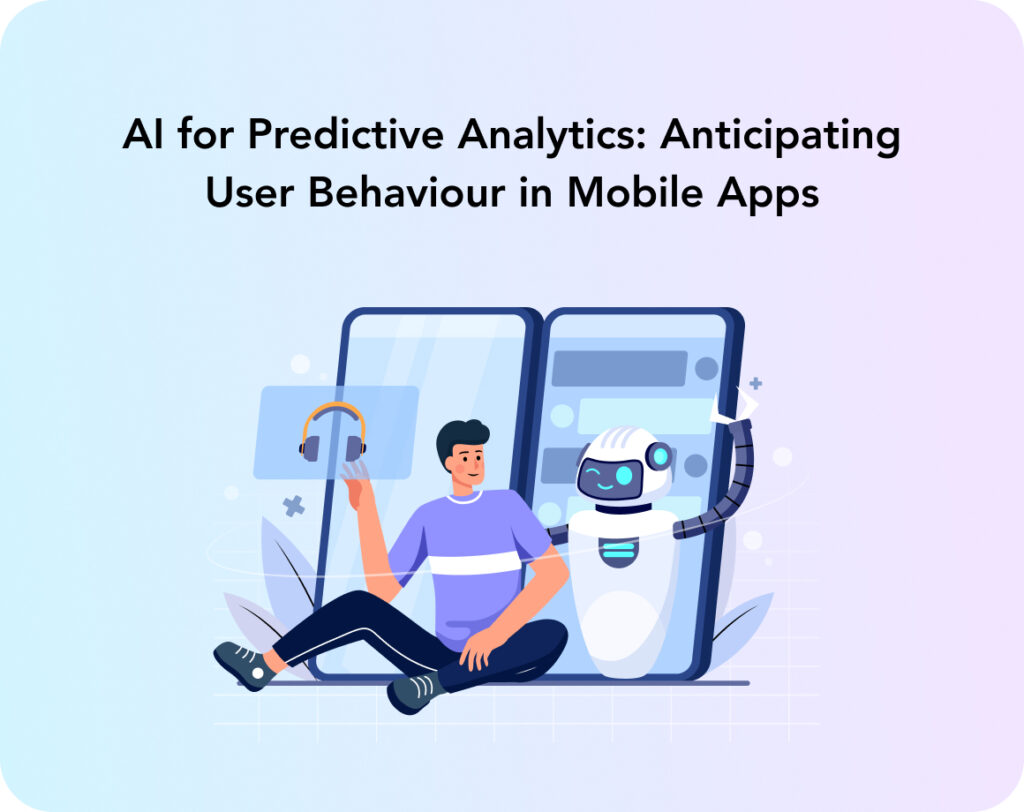
How Personalized Content Is Different from Ads Tracking
These two systems are related — but they are distinct engines, and it’s worth understanding the difference.
Content personalisation is driven by platform-specific signals: your watch time, likes, shares, scrolling behaviour, and session patterns. This data stays within the platform’s recommendation engine.
Ads tracking is driven by a completely different set of tools: third-party pixels, cookies, device-level advertising IDs (like Google’s GAID or Apple’s IDFA), and off-platform behaviour — meaning what you do on other websites and apps feeds the ads you see here.
The two systems reinforce each other. The content algorithm surfaces topics you engage with. The ad algorithm knows what products and websites you’ve visited elsewhere. Together, they create a converging picture of you that is remarkably detailed.
👉 If you want to understand the full picture of how off-platform tracking drives the ads you see everywhere — not just on social media — I’ve covered it in depth in our pillar post Why Ads Follow You Everywhere (And How to Stop It).
How to Reset Instagram and YouTube Recommendations
If you feel like your feed has gone somewhere you don’t like — or you simply want to break the loop — both platforms now offer reset options.
Instagram (2025 Reset)
- Go to your Profile
- Tap Settings
- Navigate to What You See
- Tap Suggested Content
- Select Reset
This clears the topic clusters and interest signals Instagram has built around your account. Your feed will temporarily become less “accurate” — which is actually the point.
YouTube
On mobile:
- Go to Settings → General → Clear search history and Clear watch history
On web:
- Go to Library → History & Privacy → Pause Watch History (prevents new signals from being collected) or Clear Watch History (wipes the slate)
Clearing watch history is the most effective reset. Without that historical data, YouTube’s 84-day behaviour model has nothing to work with, and your recommendations will start from a much more neutral baseline.
Note that these resets are temporary if you don’t change your habits. The algorithm will rebuild its model of you quickly once you start watching again.
Final Thoughts on Social Media Algorithms
Here’s what I want you to take away from this.
These algorithms are not designed to make you happy, informed, or fulfilled. They are designed to maximise engagement and session length — because more time on the platform equals more ad revenue.
The content you’re shown is not curated by taste. It’s selected by a machine that has been trained to predict what you’ll watch next — regardless of whether it’s good for you.
Understanding that is the first step. Using the reset tools, limiting passive scroll time, and being deliberate about what you actively engage with are the practical steps that follow.
You are not powerless here. But you do need to know what you’re dealing with.